

A Festival That Travels Beyond Borders
This article is Part 2 of our Utpanna Ekadashi 2025 series.
If you haven’t yet read the divine origin story of this sacred day – the birth of Goddess Ekadashi – visit Blog 1: Utpanna Ekadashi 2025 – Origin Story, Date & Spiritual Importance.
For Non-Resident Indians, the essence of Utpanna Ekadashi lies in continuing a spiritual rhythm that transcends place and time. Whether you wake up to the sunrise in Sydney, prepare your altar in Geneva, or light your diya after work in Toronto, what matters most is intention.
This guide simplifies how you can observe Utpanna Ekadashi abroad – with clear fasting methods, foods, mantras, and home puja procedures tailored for modern NRI life.
Preparing on Dashami (The Day Before Ekadashi)
Spiritual observances begin a day before the fast. Dashami preparation purifies both mind and body.
On the evening before Utpanna Ekadashi:
- Eat a simple, grain-free, satvik meal before sunset. Include fruits, milk, or boiled vegetables.
- Avoid onion, garlic, and non-vegetarian foods completely.
- Refrain from anger, harsh words, or unnecessary social media scrolling.
- Mentally take a sankalp (vow) — to observe the fast with devotion and focus.
- Sleep early and plan your next morning in advance (clothes, altar, ingredients).
This stage sets the tone for calmness and spiritual clarity.
Three Levels of Fasting for Different Lifestyles
Utpanna Ekadashi fasting can be followed at three intensities – choose the level that aligns with your health, schedule, and spiritual comfort.
1. Nirjala Ekadashi (Strict Fast)
- No food and no water for 24 hours.
- Considered the highest form of discipline.
- Traditionally followed by saints or those experienced in fasting.
- Best for: Healthy individuals with prior fasting experience.
2. Sajala Ekadashi (Water-Only Fast)
- Drink water or milk, but no solid food.
- Ideal for working professionals who still wish to maintain purity of intent.
- Best for: Office-goers or those with mild health constraints.
3. Phalahar or Upavasa (Fruits & Satvik Foods)
- Consume fruits, milk, nuts, sabudana, or light meals made with fasting flours.
- This is the most common and practical way to observe Ekadashi abroad.
- Best for: Families, elderly devotees, or first-time observers.
Remember: The merit lies in your sincerity, not in the level of physical hardship. Even a partial fast done with faith is spiritually fulfilling.
Foods Allowed and Avoided on Ekadashi
A clear understanding of what to eat ensures purity and avoids confusion, especially when ingredients abroad differ from traditional Indian ones.
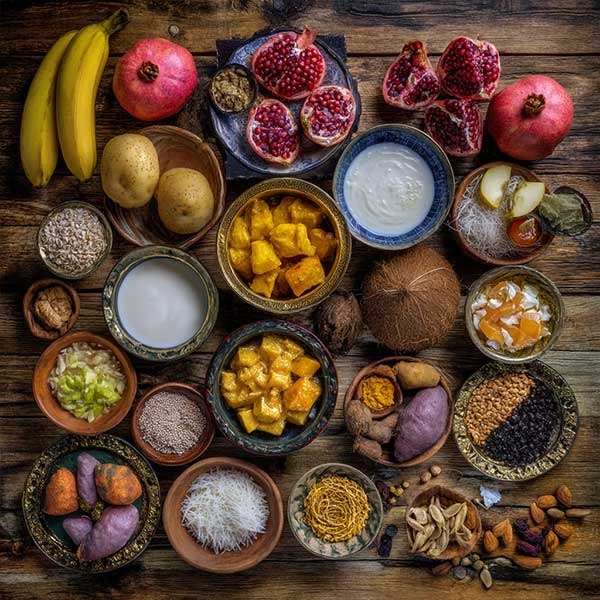
Foods Allowed on Utpanna Ekadashi
| Category | Examples (Global Equivalents) |
|---|---|
| Fruits | Bananas, apples, pomegranates, oranges, berries |
| Root Vegetables | Potatoes, sweet potatoes, yam (arbi) |
| Dairy | Milk, yogurt (curd), paneer, ghee, cream |
| Flours | Buckwheat (kuttu), water chestnut (singhara), amaranth (rajgira), tapioca (sabudana) |
| Spices | Rock salt (sendha namak), cumin, black pepper, green chili, ginger |
| Sweeteners | Jaggery, honey, sugar |
| Other | Coconut, dry fruits, nuts, seeds |
Foods to Avoid
| Category | Examples (to avoid) |
|---|---|
| Grains & Pulses | Rice, wheat, barley, lentils, beans, oats, corn |
| Vegetables | Brinjal (eggplant), spinach, cauliflower, carrots, turnips |
| Condiments | Table salt, vinegar, soy sauce, mustard, asafoetida (hing with wheat base) |
| Others | Meat, fish, eggs, alcohol, onion, garlic |
Remember: The merit lies in your sincerity, not in the level of physical hardship. Even a partial fast done with faith is spiritually fulfilling.
Modified Fasting Rules for NRIs
Living abroad often means balancing devotion with work, school, and family. Here’s how to adapt fasting practices thoughtfully:
- At Work: Carry fruits, nuts, or milk. Drink water or herbal tea to stay hydrated.
- For Health Conditions: Diabetics or elderly devotees can do a phalahar fast — fruits and light milk-based meals are acceptable.
- For Parents: Teach children to skip grains for the day and share the story of Ekadashi Devi.
- For Pregnant/Nursing Women: Avoid strict fasting; instead, recite mantras and offer prayers.
- For All NRIs: Remember, devotion counts more than dietary restrictions.
Remember: “Intention is the soul of fasting.” – Skanda Purana
Step-by-Step Puja Vidhi (Worship Procedure)

Even outside India, you can create a sacred space at home with simple materials and deep devotion.
Morning Rituals
- Wake up before sunrise (Brahma Muhurta).
- Bathe and wear clean, preferably traditional clothes.
- Clean your puja space and place a fresh cloth on your altar.
Altar Setup
- Idol or photo of Lord Vishnu or Lord Krishna.
- Small image or symbolic representation of Ekadashi Devi.
- Oil lamp (diya), incense, fresh flowers, Tulsi leaves, and water in a copper pot.
Main Puja Steps
- Sankalp (Sacred Vow) – Sit facing east, hold water and flowers, and state your intention to observe the fast for Vishnu’s grace and inner purification.
- Invocation of Lord Vishnu – Chant “Om Vishnave Namah” and sprinkle water to purify the space.
- Worship of Ekadashi Devi – Offer flowers and light incense. Recite the Utpanna Ekadashi story briefly to remember her divine birth.
- Offerings (Upachara) – Offer water, Tulsi leaves, fruits, and sweets.
- Aarti and Prayer – Perform Aarti using a small diya, ring the bell, and chant mantras.
- Meditation – Spend a few minutes in silence, visualizing light and peace.
Mantras to Chant on Utpanna Ekadashi
Reciting Vishnu mantras purifies the mind and strengthens the spiritual connection.
1. Om Namo Bhagavate Vasudevaya
(ॐ नमो भगवते वासुदेवाय)
“Salutations to Lord Vasudeva (Vishnu).”
Chant 108 times with a mala.
2. Om Vishnave Namah
(ॐ विष्णवे नमः)
“I bow to Lord Vishnu.”
3. Hare Krishna Maha Mantra
(हरे कृष्ण हरे कृष्ण कृष्ण कृष्ण हरे हरे, हरे राम हरे राम राम राम हरे हरे)
The eternal mantra of devotion and deliverance.
4. Om Ekadashyai Namah
(ॐ एकादश्यै नमः)
“Salutations to Goddess Ekadashi.”
You may also recite Vishnu Sahasranama (Thousand Names of Vishnu) or read verses from the Bhagavad Gita (Chapter 10).
Guidelines for the Day
✅ Do’s
- Chant mantras or listen to bhajans.
- Read Bhagavad Gita or Vishnu Purana.
- Practice mindfulness and avoid unnecessary talk.
- Maintain calm and positive thoughts.
- Offer prayers during sunrise and sunset.
🚫 Don’ts
- Avoid sleeping during the day.
- Refrain from watching entertainment or gossiping.
- Avoid violence or harsh words.
- Do not overeat during fast-breaking (Parana).
Breaking the Fast (Parana)
Breaking the fast at the right time is as important as fasting itself.
- Perform Parana on Dwadashi morning (16 November 2025).
- Wait until the Hari Vasara (first quarter of Dwadashi) ends.
- Offer tulsi water or a small fruit to Lord Vishnu before eating.
- Begin with light foods — fruits, khichdi, or milk-based prasad.
- Avoid heavy, oily food or leftovers.
According to Padma Purana, breaking the fast at the proper time multiplies the merit manifold.
Easy Fasting Recipes for NRIs
- Sabudana Khichdi – Tapioca pearls, peanuts, and rock salt sautéed in ghee.
- Kuttu ki Puri – Buckwheat flour dough fried or baked.
- Aloo Jeera – Boiled potatoes with cumin and coriander.
- Paneer Curry – Cottage cheese cooked with rock salt, ginger, and green chilies.
- Fruit Salad with Nuts – Seasonal fruits topped with chopped almonds and honey.
You can find these ingredients at Indian stores or international markets labeled “fasting-friendly” or “gluten-free.”
Observing Abroad: Practical Tips for NRIs
1. Finding Accurate Timings
- Visit Drik Panchang or ISKCON local calendars.
- Tithi timings differ by location — never rely only on IST.
2. Creating a Sacred Home Puja Space
- Visit Drik Panchang or ISKCON local calendars.
- Tithi timings differ by location — never rely only on IST.
- Dedicate a quiet corner with a small altar or shelf.
- Essentials: photo of Vishnu/Krishna, diya, incense holder, small bell, Tulsi leaves.
- You can order puja kits online from Amazon, Etsy, or Indian temple stores.
3. Virtual Darshan & Online Temples
- ISKCON Temples Worldwide: Live aarti streaming.
- Tirumala Tirupati Devasthanam (TTD):Virtual Darshan.
- Jagannath Puri Temple: Free online darshan.
- Kashi Vishwanath Temple: 24/7 livestream of the sanctum.
4. Balancing Work Commitments
- If you can’t take the day off, observe sajala or phalahar fasting.
- Use lunch breaks for reading or silent chanting.
- Keep a digital calendar reminder for Parana timing.
5. Involving Family & Kids

- Narrate the story of Ekadashi Devi to children as a bedtime story.
- Let kids help arrange the altar or light the lamp.
- Make fasting dishes together to turn it into a joyful family ritual.
Frequently Asked Questions (FAQs)
Conclusion: Timeless Devotion in a Modern World
Utpanna Ekadashi is a reminder that distance cannot dilute devotion.
From ancient India’s caves of Badrinath to apartments in London and Toronto, the same light of faith shines through every home that remembers Vishnu.
By adapting your fast, simplifying your puja, and involving your family, you carry the spirit of Sanatan Dharma into your daily life – wherever you are.
May this Ekadashi bring clarity of mind, strength of purpose, and peace of heart.
Continue the Series
👉 Next Read:
Utpanna Ekadashi Fasting: Inner Meaning, Science & Wellness for Sanatan Dharma Practitioners →
Utpanna Ekadashi 2025: Origin Story, Date & Spiritual Importance →
Important Links
post comments
You must be logged in to post a comment.
[…] 👉 Next Read: Utpanna Ekadashi Fasting: Inner Meaning, Science & Wellness for Sanatan Dharma Practitioners → How NRIs Can Observe Utpanna Ekadashi Abroad – Complete Fasting & Puja Guide → […]
[…] 👉 Also read: 🔹 Utpanna Ekadashi 2025: Origin Story, Date & Spiritual Importance 🔹 How NRIs Can Observe Utpanna Ekadashi Abroad – Complete Fasting & Puja Guide […]
[…] For NRIs or devotees living abroad, setting up a simple home altar can help you connect spiritually. Read our detailed guide: How NRIs Can Observe Ekadashi Abroad. […]