

Introduction to Prabodhini Ekadashi
Prabodhini Ekadashi, also known as Devuthani Ekadashi, is one of the most auspicious days in the Hindu lunar calendar. Falling in the Kartik month (October–November) during the Shukla Paksha Ekadashi, this sacred day marks the end of Chaturmas – the four-month period when Lord Vishnu is believed to rest in Yoga Nidra. On this day, devotees celebrate Vishnu’s awakening and the revival of auspicious activities such as marriages, temple rituals, and Tulsi Vivah.
What is Prabodhini Ekadashi?
The word Prabodhini means “awakening.” Spiritually, Prabodhini Ekadashi symbolizes the moment when Lord Vishnu awakens from his cosmic sleep, restoring order, balance, and dharma in the universe. Devotees observe a strict Ekadashi fast, spend the day chanting Vishnu mantras, and light lamps in temples and homes to invite divine blessings.
Prabodhini Ekadashi 2025 Date and Timing
In 2025, Prabodhini Ekadashi will be observed on Sunday, 2 November 2025 (Kartik Shukla Paksha Ekadashi). The fasting and rituals begin at sunrise and continue until the next day’s Parana muhurat.
Parana Time & Muhurat for Prabodhini Ekadashi 2025
Parana refers to breaking the fast after the prescribed period. Devotees must observe this with sincerity and at the correct time.
| Event | Date | Time (Start–End) | Notes |
|---|---|---|---|
| Ekadashi Begins | 1 November 2025 | 04:58 AM | Shukla Paksha Ekadashi |
| Ekadashi Ends | 2 November 2025 | 06:15 AM | |
| Parana Muhurat | 3 November 2025 | 06:45 AM – 08:55 AM | Recommended fasting break time |
Significance of Prabodhini Ekadashi
Prabodhini Ekadashi is believed to mark the spiritual awakening of Lord Vishnu, symbolizing renewal, purity, and restoration of dharma. It also signifies the end of Chaturmas, a time when major Hindu ceremonies like marriages and temple inaugurations are suspended. From this day forward, all auspicious events resume, bringing prosperity and divine blessings.
Mythological Context & Scriptural References
According to the Padma Purana, Lord Vishnu rests in the Ksheer Sagar (cosmic ocean) during the four months of Chaturmas. On Prabodhini Ekadashi, He awakens to bless the world with renewed divine energy.
The Skanda Purana describes that observing fast and vigil on this Ekadashi washes away sins and grants moksha (liberation). The fast also symbolizes awakening the inner consciousness.
Connection Between Prabodhini Ekadashi and Tulsi Vivah
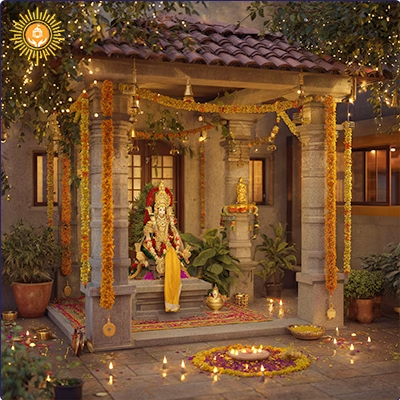
On this sacred day, Tulsi Vivah – the symbolic wedding of Goddess Tulsi (Vrinda Devi) and Lord Vishnu – begins. The ceremony is observed in temples and homes, marking the spiritual union of purity (Tulsi) and divinity (Vishnu). This event symbolizes the beginning of the marriage season after the long Chaturmas period.
End of Chaturmas: The Return of Auspicious Ceremonies
The four-month Chaturmas period is considered a time for meditation and restraint. On Devuthani Ekadashi, when Vishnu awakens, the heavens rejoice, and auspicious activities resume – from weddings and temple festivals to home pujas and charity.
Prabodhini Ekadashi Story (Vrat Katha)
According to legend, a king once asked Lord Vishnu about the importance of Ekadashi. The Lord explained that even gods observe this fast to cleanse themselves of worldly impurities. In another tale, King Harishchandra regained his lost kingdom and truth after observing Prabodhini Ekadashi with devotion.
The fast thus represents truth, renewal, and inner awakening.
Rituals and Fasting Practices (Ekadashi Vrat Vidhi)
Devotees begin their day with a holy bath in rivers or sacred ponds, followed by lighting lamps, chanting Vishnu Sahasranama, and offering tulsi leaves to the deity.
During the day, they abstain from grains, pulses, onion, and garlic, and maintain silence or chant Vishnu’s name.
Special Food During Prabodhini Ekadashi

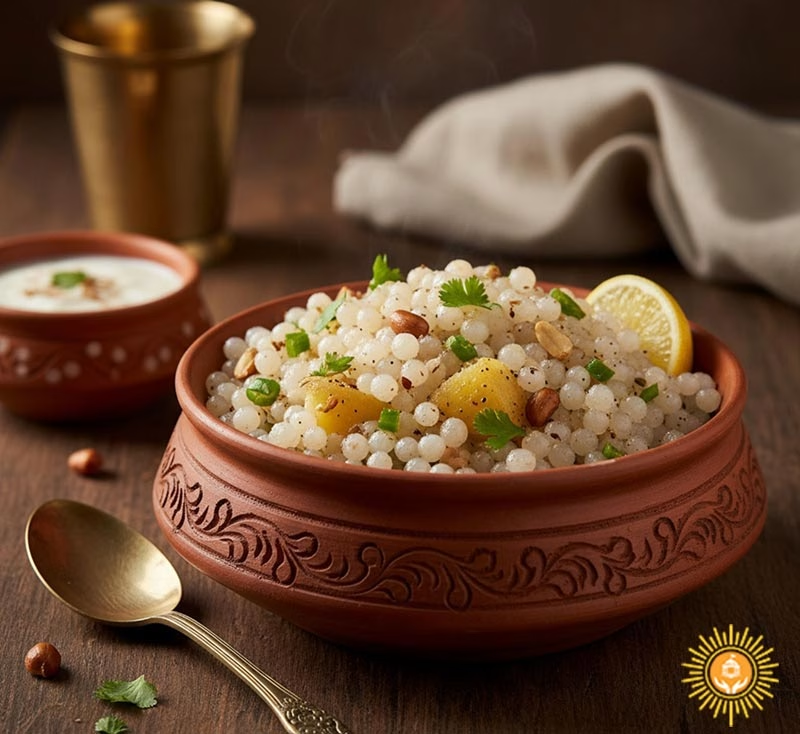
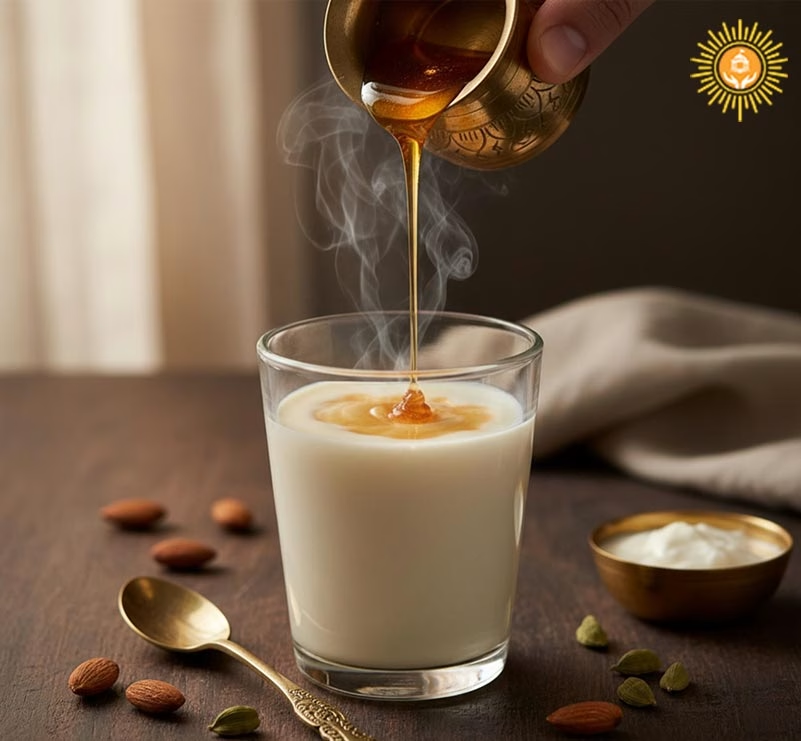
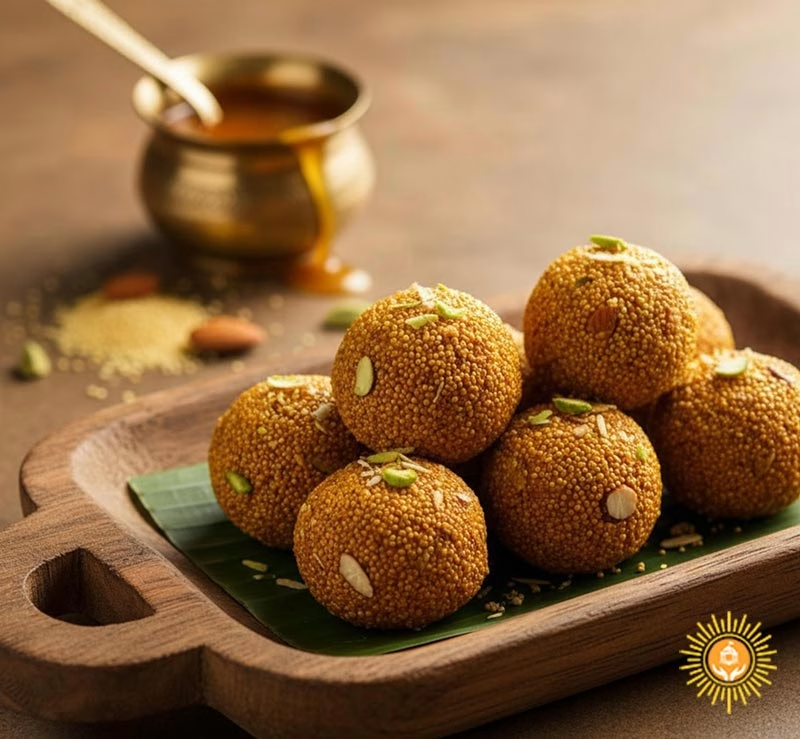
Traditional fasting foods include:
- Sabudana khichdi
- Amaranth (rajgira) laddoos
- Sweet potatoes and fruits
- Milk and honey
These are considered sattvic and promote purity of body and mind.
Temples Celebrating Prabodhini Ekadashi in India
The festival is celebrated with grandeur in many Vishnu temples across India:
- Dwarkadhish Temple, Gujarat
- Sri Ranganathaswamy Temple, Tamil Nadu
- Badrinath Temple, Uttarakhand
- ISKCON Temples across India and abroad
Devotees light lamps, sing bhajans, and participate in Tulsi Vivah ceremonies throughout the night.
Kartik Month Festivals Linked to Prabodhini Ekadashi
Prabodhini Ekadashi opens the festive phase of Kartik month, followed by:
- Tulsi Vivah
- Dev Diwali
- Kartik Purnima celebrations
It is the most spiritually charged month in the Hindu year, encouraging charity, lamp lighting, and devotion.
Cultural and Social Importance
Beyond its spiritual significance, Prabodhini Ekadashi strengthens community bonds. Temples organize lamp processions, cultural performances, and devotional singing (bhajans). Many villages host fairs and charity events, emphasizing the idea of awakening both divinity and compassion in society.
Interesting Facts About Prabodhini Ekadashi
- In Gujarat and Rajasthan, it’s known as Dev Uthani Gyaras.
- In Vrindavan and Mathura, Tulsi Vivah is celebrated elaborately.
- ISKCON temples worldwide conduct Harinaam Sankirtan all night long.
- The day is said to open the cosmic gateway for divine blessings in Kartik month.
Conclusion – Symbol of Spiritual Awakening and Devotion
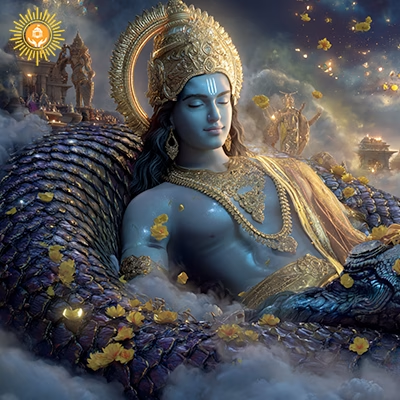
Prabodhini Ekadashi marks not just Lord Vishnu’s awakening but also the awakening of our own consciousness. It reminds devotees to rise from spiritual slumber, embrace purity, and begin new, auspicious journeys.
As Vishnu awakens, so does the world – bathed in the divine light of dharma, truth, and devotion.
Frequently Asked Questions (FAQs)
post comments
You must be logged in to post a comment.
[…] – Prabodhini Ekadashi 2025 Blog […]
[…] – Prabodhini Ekadashi 2025 Blog […]
[…] 👉 Continue your spiritual journey through our related readings: 🔹 Utpanna Ekadashi Origin Story, Date & Significance 🔹 Prabodhini Ekadashi – The Awakening of Lord Vishnu and Tulsi Vivah […]