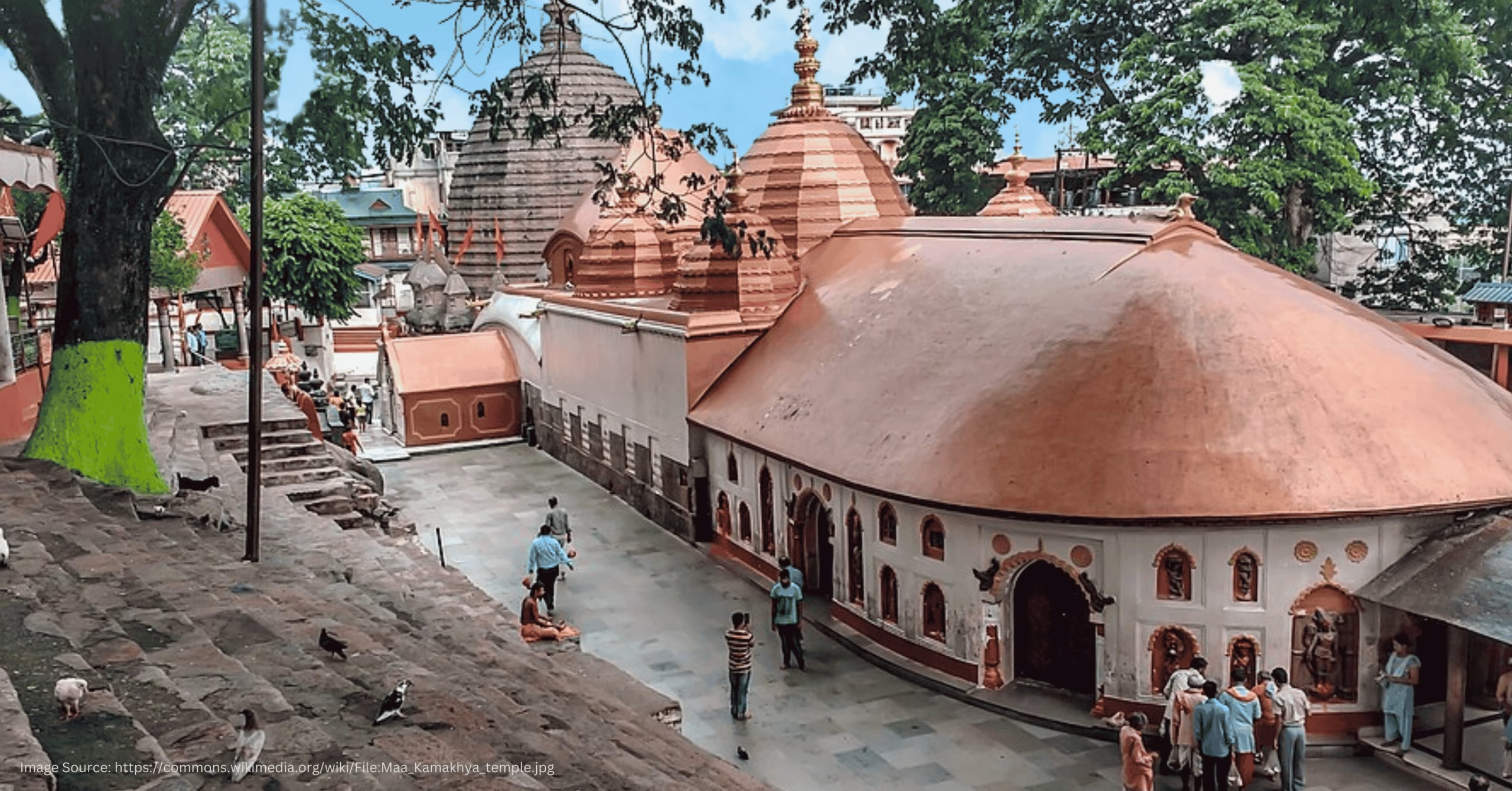

Dakshineswar Kali Temple (Kolkata, West Bengal)
Information on this page
Important Note: The donation button links to the official donation page of the Temple Trust. Sanatan Vasudev Kutumb has no affiliation with the temple or the donation process.
May your prayer be granted, and may you be guided with peace, health, and prosperity.
Overview
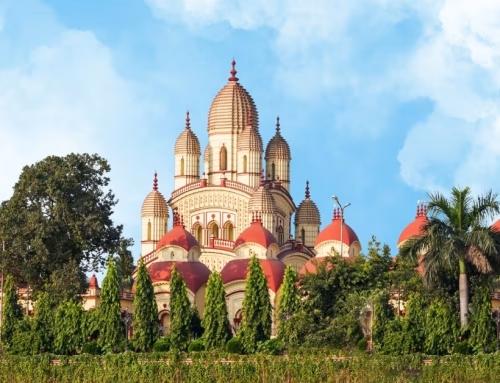
The Dakshineswar Kali Temple is one of the most iconic and spiritually vibrant temples in West Bengal. Located along the eastern bank of the Hooghly River, this temple is dedicated to Bhavatarini, an aspect of Goddess Kali. Popularly referred to as Dakshineswar Kali Mandir, the temple is a living witness to India’s spiritual renaissance — being closely associated with Sri Ramakrishna Paramahamsa, whose life and teachings brought it to global prominence.
Devotees and visitors are drawn to this temple not only for its divine aura but also for the picturesque surroundings, making it a favorite for both pilgrims and those searching for Dakshineswar Kali Temple photos to capture its beauty and energy.
Live Darshan – Click here (Youtube link).
Historical Background
- Origins & Founding: The history of Dakshineswar Kali Temple begins with Rani Rashmoni, a philanthropist and devotee of Kali, who envisioned the temple in a dream. The construction began in 1847 and was completed in 1855. Rani Rashmoni dedicated the temple to Bhavatarini Kali, the savior of the universe.
- Association with Sri Ramakrishna: Shortly after the temple’s consecration, Sri Ramakrishna was appointed as the chief priest. His spiritual practices and divine experiences turned the temple into a spiritual nucleus for seekers from all walks of life, including future disciples like Swami Vivekananda.
Spiritual Significance – Dakshineswar Kali Temple (Kolkata, West Bengal)
Dakshineswar Kali Temple is a major center for Kali worship and Bhakti Yoga. Devotees believe that Kali here blesses not only with protection but with spiritual enlightenment.
Highlights:
- Bhavatarini Kali is worshipped in her benevolent form, unlike the more fearsome aspects seen elsewhere.
- The temple fosters inclusive devotion, drawing Hindus, mystics, scholars, and spiritual tourists.
- It remains a central pilgrimage point during Kali Puja and Amavasya nights.
Architecture & Highlights
- Built in Nava-ratna (nine-spired) style – a classic form of Bengal temple architecture.
- The main sanctum stands on a high plinth and overlooks the Hooghly River, enhancing its divine ambiance.
- 12 identical Shiva temples line the temple courtyard in two rows.
- The Vishnu temple (Radha-Krishna Mandir) and Rani Rashmoni’s bathing ghat complete the sacred layout.
Cultural Practices
- Daily Bhog offerings and arti ceremonies are performed with traditional Bengali rituals.
- During major pujas, kirtans and yajnas are held across the temple premises.
- Devotees often meditate near the Panchavati Garden, where Ramakrishna meditated under trees considered spiritually potent.
Festivals & Rituals
Daily Practices
- Dakshineswar Temple opening time: 6:00 AM
- Morning Arti: Performed with mantras and conch shells.
- Evening Sandhya Arti: Marked with lamps and devotional songs.
- Bhog Offering: Offered midday and later distributed as prasadam.
More information on their official website.
Annual Events & Festival Calendar – Dakshineswar Kali Temple (Kolkata, West Bengal)
| Month | Festival/Event | Highlights |
|---|---|---|
| Oct–Nov | Kali Puja | Largest festival here. Thousands gather for midnight rituals. |
| Dec–Jan | Ramakrishna Jayanti | Celebrates the birth of Sri Ramakrishna. |
| March–April | Dol Purnima (Holi) | Celebrated with Radha-Krishna rituals. |
| Aug | Rani Rashmoni Jayanti | Tribute to the temple’s visionary founder. |
| Every Amavasya | Kali Aradhana | Special pujas held during new moon nights. |
Modern Updates & Facilities
- Digital Darshan Platforms: Official livestreams available during major pujas.
- Renovated Ghat: Rani Rashmoni’s bathing ghat has been beautified and made safer for pilgrims.
- Devotee Amenities: Free shoe stands, cloakrooms, drinking water, and wheelchair access.
- Cultural Events Hall: A new hall hosts spiritual discourses, kirtans, and cultural programs.
- Pilgrim Help Desk: Trained volunteers assist with queries, directions, and emergency support.
Visitor Information – Dakshineswar Kali Temple (Kolkata, West Bengal)
- Location: Dakshineswar, Kolkata, West Bengal
- How to Reach:
- Air: Netaji Subhas Chandra Bose Airport (12 km)
- Rail: Dakshineswar Railway Station (1 km)
- Metro: Dakshineswar Metro Station (near entrance)
- Dress Code: Modest, temple-appropriate attire preferred
- Photography: No photography allowed inside the sanctum; Dakshineswar Kali Temple photos permitted in outer areas.
- Nearby Lodging: Several lodges and guesthouses near Dakshineswar Mandir, plus hotels in central Kolkata
- Best Time to Visit: During Kali Puja or early morning for peaceful darshan
Interesting Facts
- Rani Rashmoni, the temple’s founder, was a widow and social reformer – rare for a temple patron at the time.
- Swami Vivekananda began his spiritual journey under Ramakrishna’s mentorship here.
- The Panchavati Garden inside the complex is believed to be a high-energy meditation zone.
- The temple’s reflection in the Hooghly River makes for one of the most iconic shots in Indian temple photography.
- A replica of the temple now exists in Belur Math as part of the Ramakrishna Mission’s homage.
Conclusion
The Dakshineswar Kali Temple is not just a monument of faith but a living spiritual hub where bhakti, tradition, and history converge. Whether you’re a seeker, a tourist, or a devotee of Maa Kali, this temple stands as a powerful symbol of grace, devotion, and transformation.